Preparing Your Business for the VAT Quarter: A Checklist
EA
Understanding the VAT Quarter
As a business owner, it's crucial to stay on top of your VAT obligations. The VAT quarter refers to the three-month period for which your business must report and pay VAT to the relevant tax authorities. Preparing for this can seem daunting, but with the right approach, it can be a smooth process.
Organize Your Financial Records
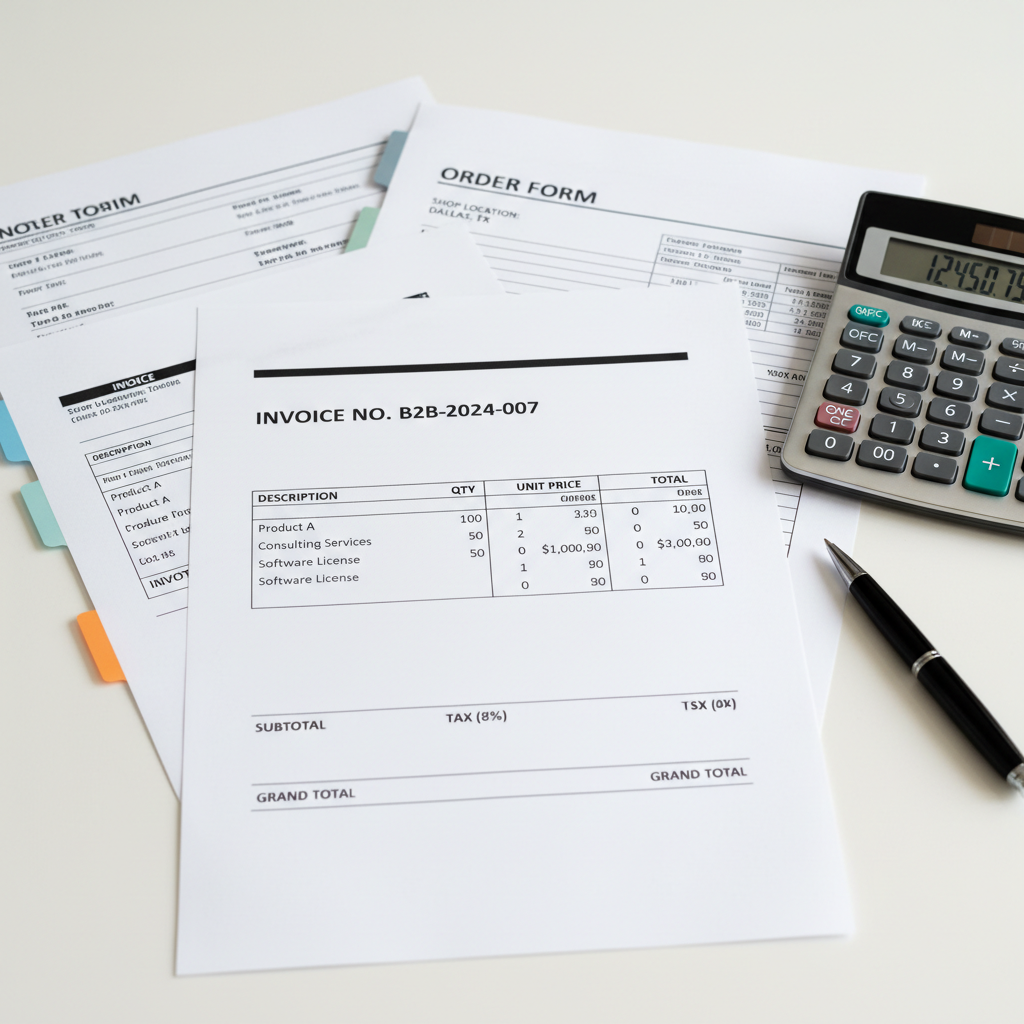
Start by gathering all your financial records. This includes invoices, receipts, and any other documents related to your business transactions. Keeping these organized will make it easier to calculate your VAT liability. Consider using accounting software to streamline this task and ensure everything is in order.
Make sure that all your invoices are compliant with VAT regulations. This means they should include your VAT registration number, the date of the invoice, and the VAT rate applied to each item.
Calculate Your VAT Liability
Once your records are organized, it's time to calculate your VAT liability. This involves determining the VAT you owe on sales (output tax) versus the VAT you can reclaim on purchases (input tax). The difference will determine whether you owe money to the tax authorities or are due a refund.

Use accounting software to simplify this process. Most software can automatically calculate your VAT liability, making it easier to ensure accuracy and compliance.
Review Your VAT Scheme
It's essential to review the VAT scheme your business is using. The standard VAT scheme might not be the best fit for your business. Explore other options like the Flat Rate Scheme or Annual Accounting Scheme to see if they might offer benefits such as reduced administrative burden or cash flow improvements.
Prepare and Submit Your VAT Return
Once you've calculated your VAT liability, prepare your VAT return. Make sure all figures are accurate and double-check for any discrepancies. Submit your VAT return by the deadline to avoid penalties. Most countries now require digital submissions, so familiarize yourself with the online submission process in advance.

Plan for Payment
After submitting your VAT return, ensure you have sufficient funds to cover any VAT payment due. Timely payment is crucial to avoid interest and penalties. Consider setting aside funds each month to cover your VAT liability, making it easier to manage your cash flow.
Consider Professional Advice
If you find the VAT process overwhelming, consider seeking professional advice. A tax advisor or accountant can provide valuable insights and ensure you're compliant with all regulations. This investment can save you time and prevent costly mistakes.
By following this checklist, you can efficiently prepare your business for the VAT quarter. Staying organized and informed will help you navigate the process with confidence, allowing you to focus on growing your business.